Imagine a service corridor before anything happens. Air moves through a grille. A fluorescent fitting buzzes unevenly. Somewhere beyond the visible wall, water taps against a pipe. None of these sounds is frightening alone. Together, they establish an expectation: this place continues beyond the camera, and it has processes the player does not fully control. Atmospheric design begins by making that expectation coherent.
Room tone is often used to mean the low-level sound of a location when no prominent action occurs. In a game, that foundation may combine recordings, synthesis and carefully placed emitters. It is not the same as music, and it need not be a single looping file. The useful question is what the player should believe about the location while standing still.
Build a bed, not a blanket
Start with a quiet continuous layer that describes the space. An electrical room may have a stable motor texture; an abandoned house may expose wind and distant traffic. Keep enough spectral and dynamic room for footsteps, dialogue and interaction. If every frequency is occupied, an important cue must either become louder or disappear into the mixture. Neither outcome automatically improves dread.
Silent Hill 2, developed by Team Silent at Konami, offers a valuable study in the relationship between environmental unease and Akira Yamaoka’s music and sound work. Do not reduce that identity to “add industrial noise.” Listen instead for contrast: abrasive textures feel different when the surrounding scene has established restraint. The lesson is relational, not a recipe for copying a recognizable soundtrack.
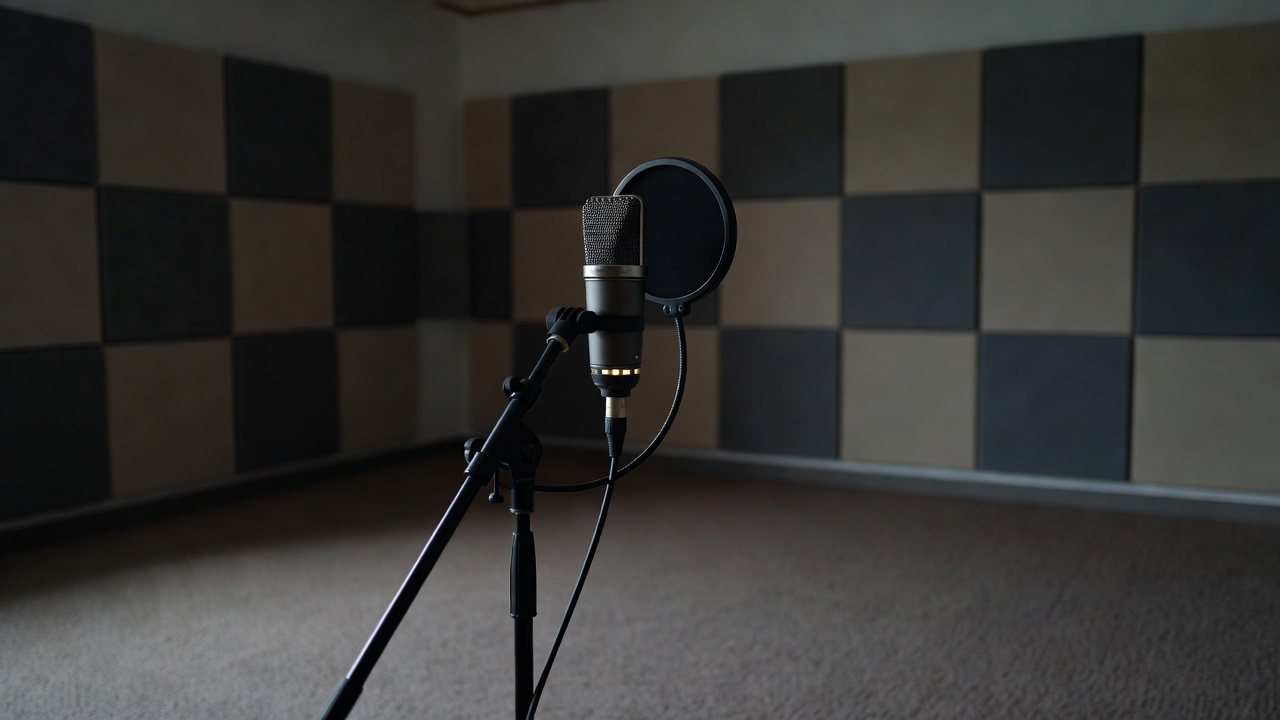
Give each layer a job
- The continuous bedA stable texture establishes the room’s baseline and should tolerate repeated listening.
- The local mechanismA vent, cable or loose panel locates a believable process within the space.
- The occasional eventA distant knock or settling creak interrupts predictability without becoming a constant alarm.
- The player’s footprintMovement, clothing and object handling connect the player’s body to the environment.
In Alien: Isolation, developed by Creative Assembly, Sevastopol’s machinery and public-address systems help the station read as an inhabited technological environment. That is a useful reference for designing a place with functional systems rather than a generic haunted drone. SOMA, from Frictional Games, provides another context for considering mechanical spaces, human traces and the uneasy relationship between them. These examples illustrate listening questions, not claims about unpublished implementation details.
Variation should preserve identity
A short loop becomes a clock once the listener recognizes it. Longer material helps, but duration alone does not solve repetition. Separate occasional events from the bed, vary their timing within sensible limits, and give repeated objects several performances. Avoid randomizing everything equally. A heavy ventilation fan should not unpredictably become a delicate rattle unless the fiction explains the change.
Foley is the performance and recording of sounds to support action: a jacket movement, a cautious footstep, a hand leaving a rail. Small materials can suggest larger spaces when they are edited and contextualized well. Record several intensities, leave clean tails, and keep notes on the material and microphone position. Ordinary household objects can be useful, but recording must remain safe; do not damage equipment or handle hazardous materials for a texture.
A one-room listening exercise
Choose one room in your own prototype, or sketch an imaginary room on paper. Write three factual statements about it: what powers it, what lies beyond its boundaries, and which surfaces the player touches. Assign one sound layer to each statement. Then remove any sound that contributes neither information nor a deliberate emotional relationship. This subtraction is often more instructive than adding another ominous texture.
Now test a change. Turn off the local mechanism while leaving the bed intact. Does the room feel newly exposed, or merely unfinished? Ask another listener what changed without telling them the intended emotion. Their description can reveal whether your scene communicates a physical event or only a vague difference in volume.
Finally, test the room during movement, dialogue and a menu interruption. A convincing idle scene can become cluttered once play begins. Let important actions remain intelligible, offer separate mix controls where practical, and keep transitions smooth when the player crosses a doorway. Atmosphere should support attention rather than demand all of it.
Notebook principle: establish a credible baseline first. An absent sound becomes expressive only after the player has had a chance to expect it.
Reference routes: Frictional Games, Alien: Isolation. Game references are editorial examples, not endorsements or access to production source files.